What is AI video cloning
AI video cloning explained: what it keeps and what it replaces
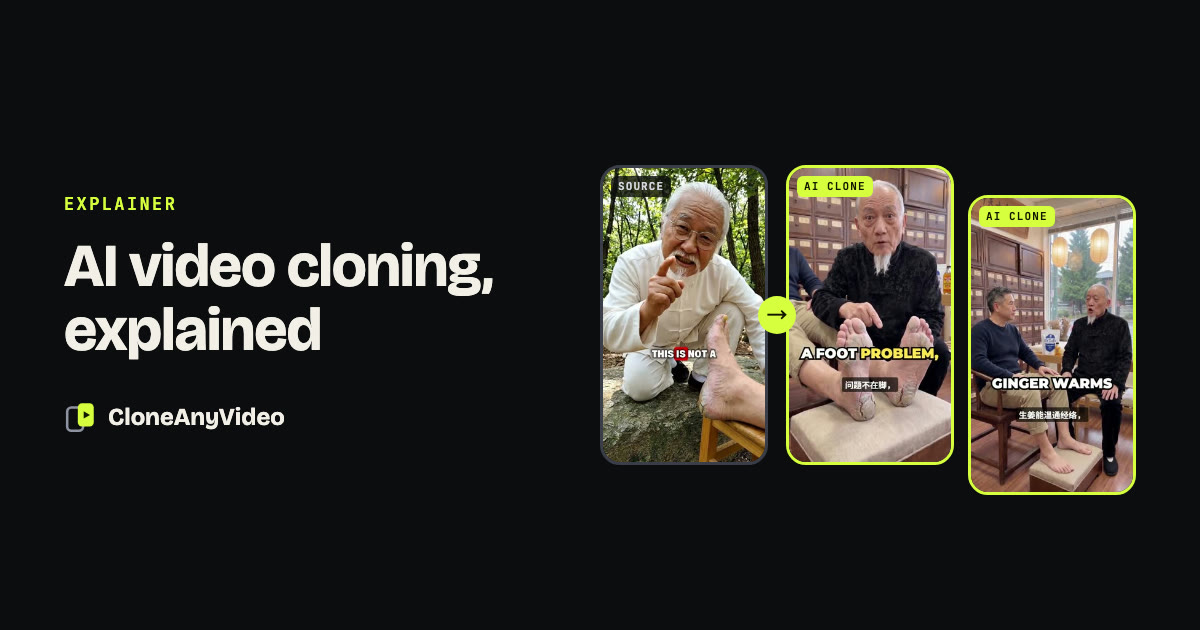
Key points
- Cloning reuses a video's format: hook, shot order, pacing, caption rhythm.
- Script, presenter, voice and footage are generated new.
- There are two kinds of clone: a full rebuild, and a re-cast that keeps footage you have rights to.
- A proven structure improves the odds. It does not guarantee views.
AI video cloning means generating a new video that follows the structure of an existing one. People use “clone” loosely, to mean anything from a face swap to a repost, so it helps to be exact about what is carried over and what is not.
What a short video is made of
A short video has layers, and they are not equally responsible for how it performs.
| Layer | Example | In a clone |
|---|---|---|
| Hook | Close-up of the problem in the first frame | Kept |
| Shot order and length | Problem, signs, fix, reason | Kept |
| Caption rhythm | One short phrase per beat | Kept |
| Script | The exact words | Rewritten |
| Presenter | The person on camera | Yours |
| Voice | Who is speaking | Yours |
| Footage | The actual pixels | Generated new |
The top three layers are the format. Formats travel: the same structure works for many creators and many topics, which is why you see it repeated across a niche. The bottom four belong to whoever made the video.
How the process works
- 01BreakdownThe reference is split into shots with start time, length and content.
- 02ScriptLines are rewritten beat by beat. You approve them.
- 03GenerationEach shot is generated with your presenter. Voice is produced per line.
- 04AssemblyShots, voice and captions are joined and checked.
1. Breakdown
The reference is cut into shots. Each one gets a start time, a length and a plain description: who is in frame, what they hold, where the camera is. The spoken words are transcribed with timings so the beats of the script line up with the cuts.
2. Script
The lines are rewritten beat by beat, keeping the idea and changing the words. This is deliberately more than swapping synonyms sentence by sentence. The rewritten script is usually shorter, because references often say the same thing twice.
3. Generation
Each shot is generated with your presenter in the same framing and for the same length. A few details decide whether it looks right:
- The presenter speaks from the first frame. No silent lead-in.
- Each line ends as its shot ends. A line that runs long pushes the next cut late.
- Light matches the scene. A face lit for a studio looks pasted into an outdoor shot.
- Every cut shows something new. Two consecutive shots with the same framing read as a glitch.
4. Assembly and checks
Shots, voice and captions are joined into one vertical MP4. Caption text comes from the approved script, not from speech recognition, so spelling is right by construction. Each shot is then checked for the usual failures of generated video: objects that appear or vanish, extra fingers, a limb that does not connect. A video that fails is not delivered.
What it looks like, frame by frame
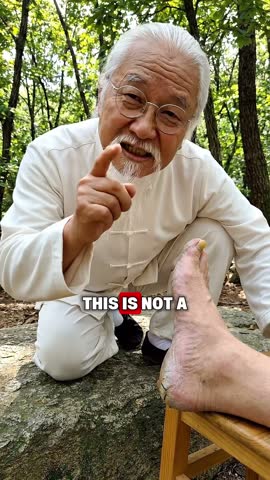 0:05
0:05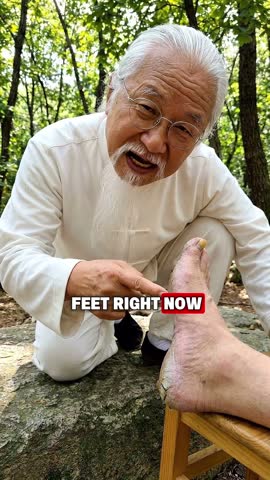 0:17
0:17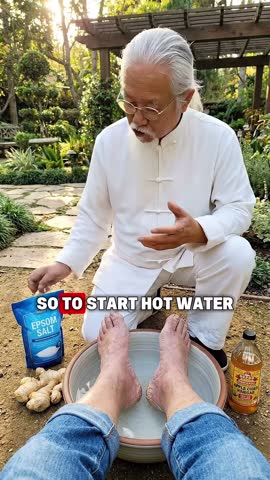 0:28
0:28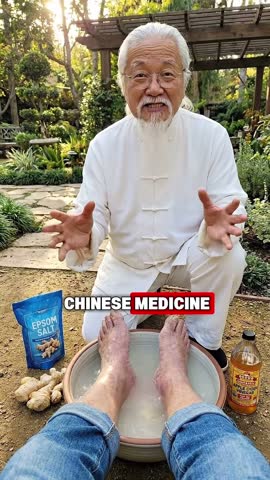 0:40
0:40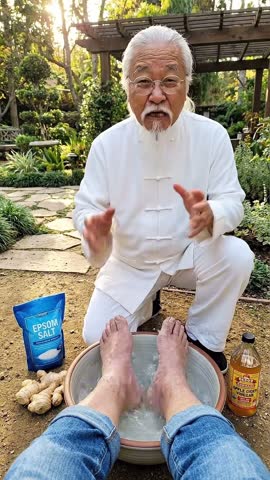 0:52
0:52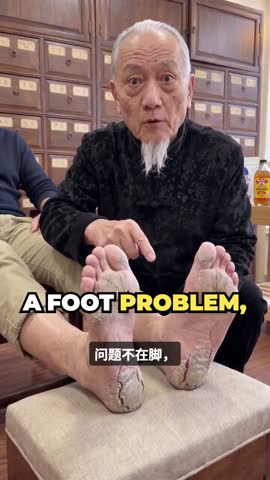 0:03
0:03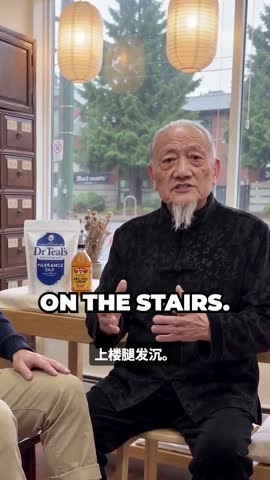 0:09
0:09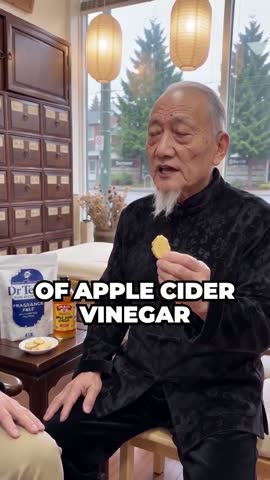 0:15
0:15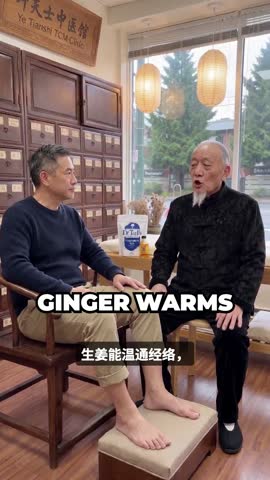 0:21
0:21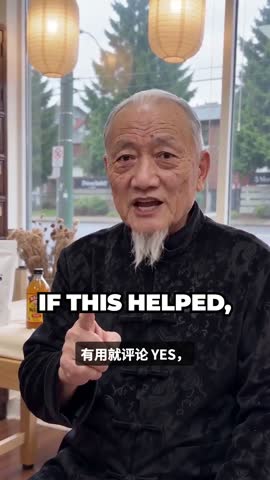 0:27
0:27Read the two rows against the layer table. The hook framing matches. The order of beats matches: problem, signs, fix, reason, ask. The person, the place and every word are new. See the full breakdown and the clone’s script on the close-up problem hook page.
Two kinds of clone
A full rebuild
Everything is regenerated. This is the normal case for talking-head and demonstration videos, and it is the route to use whenever you have no rights to the reference footage.
A re-cast
Footage you have the right to use stays, and only the person, the narration and the captions change. This suits walk-through vlogs, where the real location is the point.
 0:08
0:08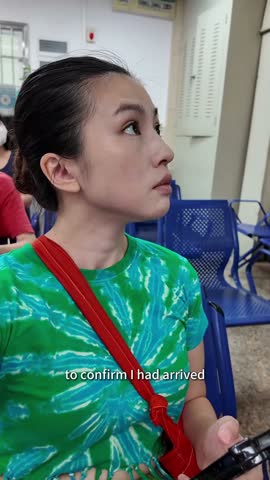 0:26
0:26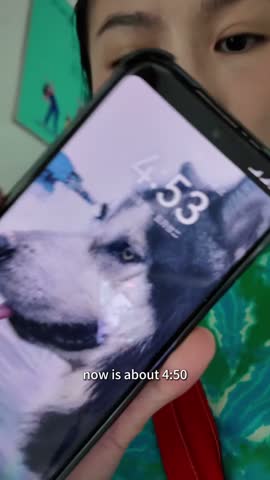 0:44
0:44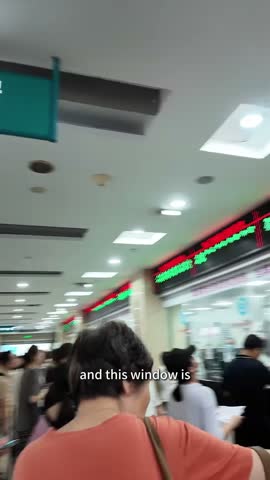 1:02
1:02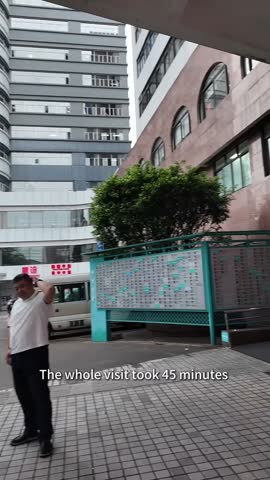 1:19
1:19 0:08
0:08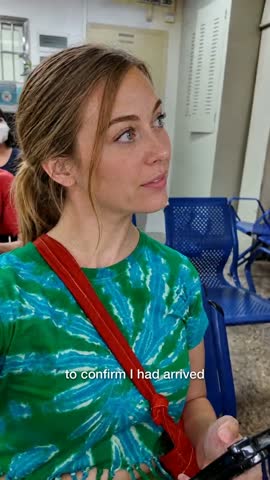 0:26
0:26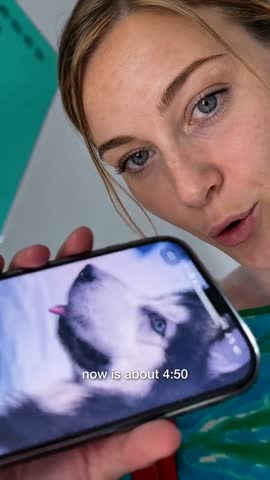 0:44
0:44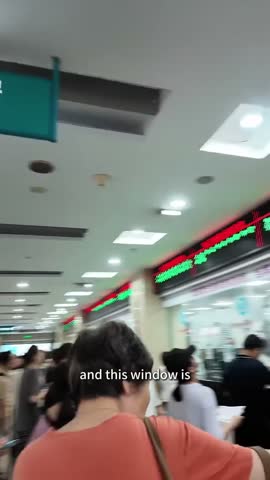 1:02
1:02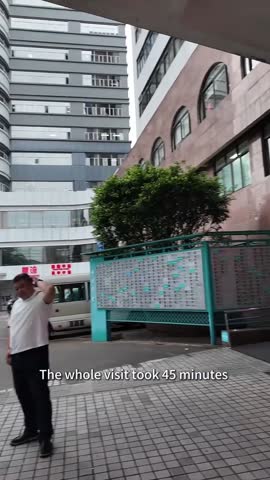 1:19
1:19A re-cast only replaces people who were already on camera. Empty shots stay empty. Adding the presenter to a shot that had nobody in it tends to look staged.
What cloning is not
| Term | What it means | How a clone differs |
|---|---|---|
| Repost | Uploading someone else’s file | Nothing from the file is reused |
| Face swap | Replacing a face in existing footage | Footage and script are also new |
| Deepfake | Imitating a real person without consent | The presenter is yours, not an imitation |
| Avatar video | A digital person reading your script | The whole edit is reproduced, not one framing |
For the last row in detail, see AI clone video vs AI avatar video.
What cloning cannot do
- Guarantee views. A proven structure improves the odds. The account, the topic and timing still matter.
- Rescue a weak reference. If the original has no hook, the clone inherits none.
- Replace your judgment on claims. The script is yours to approve. That is the point of the approval step.
Ready to try it? The step-by-step guide covers what you do at each stage.