Is it legal to clone a viral video
Is it legal to clone a viral video with AI?
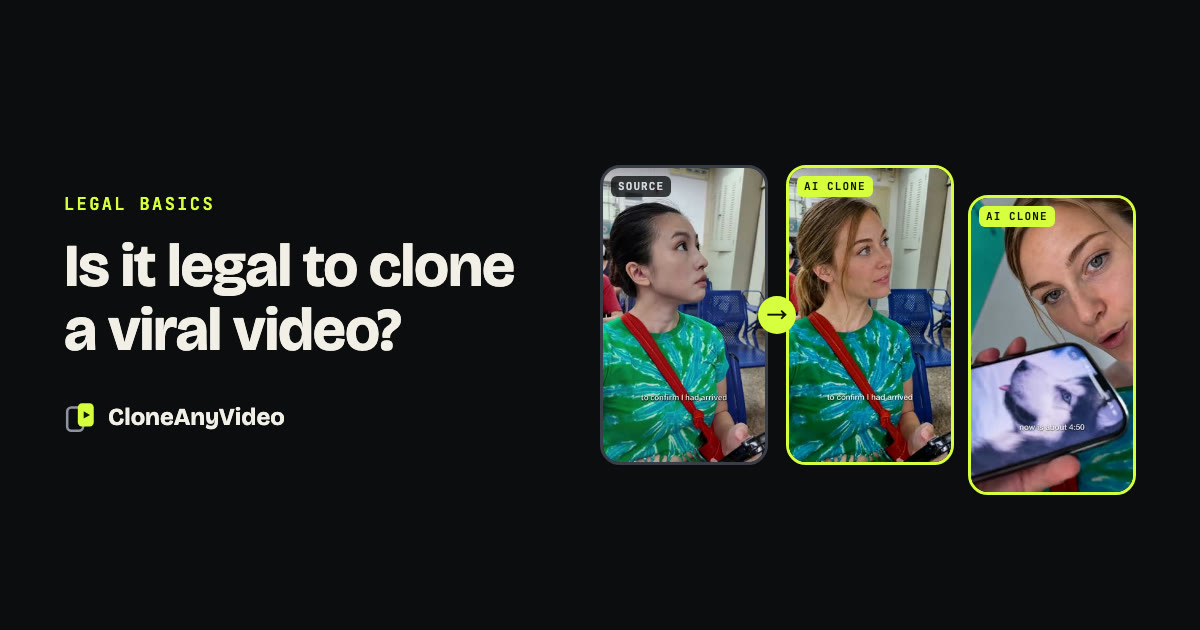
Key points
- Formats, ideas and pacing can generally be reused by anyone.
- Footage, exact wording, music and a person's face or voice generally need permission.
- A re-cast that keeps original footage is only for footage you own or have licensed.
- Platform rules are separate from the law: label AI video and control the claims in your script.
- This is general information, not legal advice.
The short answer: reusing how a video is built is generally fine, and reusing what it is made of generally is not.
Generally free to reuse
- The format and beat order
- The idea or topic
- Pacing and cut rhythm
- Caption style
- A type of hook
Needs permission
- The footage
- The exact script
- A real person's face or voice
- Music and original audio
- Logos used to suggest endorsement
What you can usually reuse
Copyright protects a specific expression, not the idea behind it. That principle is common to most legal systems, and in practice it leaves these open to anyone.
- The format. A close-up hook followed by a three-step fix is a structure. Structures are shared across thousands of videos, which is why a successful one spreads through a niche within weeks.
- The idea or topic. Nobody owns “a morning drink recipe” or “a four-day itinerary”.
- Pacing and caption style. Cutting every three seconds, or showing one phrase at a time, is technique.
What needs permission
The footage
Downloading a video and reposting it, re-editing it or feeding its frames into a generator to be lightly altered is copying the work itself. Changing the speed, mirroring the picture or adding a border does not change that.
The exact script
Spoken words are protected expression. Rewrite them in your own words. Swapping synonyms sentence by sentence is not a rewrite: keep the idea, then say it your way and at your own length.
A person’s likeness
A real person’s face and voice are protected in many places by publicity or personality rights, separately from copyright. Do not generate a look-alike of the original creator, and do not clone a voice from someone else’s video. A presenter built from a real person needs that person’s consent.
Music and audio
A sound that is licensed for use inside one platform’s library is not licensed for your file everywhere else. Generate a new voice track and add music you have the right to use.
Brands
Showing a product you actually use is normal. Carrying over another company’s logo or name in a way that suggests it endorses you is a trademark and advertising problem.
“But it is transformative”
Some countries have exceptions, such as fair use in the United States, that allow limited reuse of protected material for purposes like commentary or criticism. They are decided case by case, after the fact, and commercial reuse of the heart of a work is a weak position. Do not plan a content pipeline around an exception. Plan it so that nothing protected is reused in the first place.
How a clone video stays on the right side
| Layer | What a careful clone does |
|---|---|
| Structure | Reuses it |
| Script | Rewrites every line; you approve the text |
| Presenter | Uses your own presenter, built from a designed character or a consenting person |
| Voice | Uses your presenter’s voice |
| Footage | Generates new footage |
| Music | Uses audio you have rights to |
That is a full rebuild, and it is the default. How it works shot by shot is covered in AI video cloning explained.
The exception: a re-cast with permission
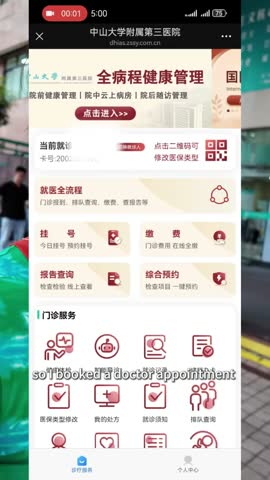
One kind of clone keeps original footage: a re-cast, where the location shots stay and only the person, the narration and the captions change. That route is only for footage you own or have written permission to use.
 0:08
0:08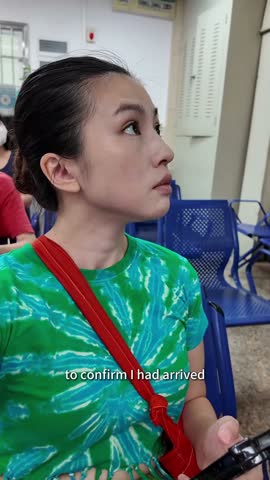 0:26
0:26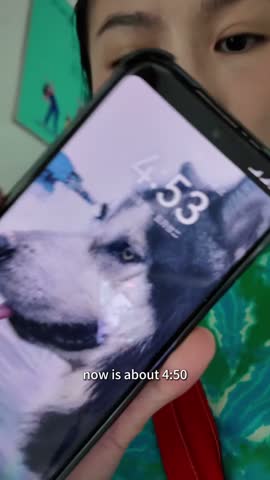 0:44
0:44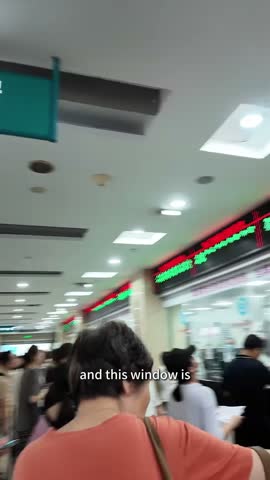 1:02
1:02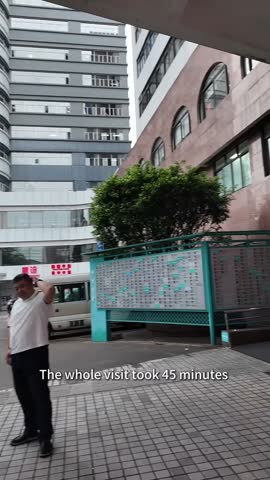 1:19
1:19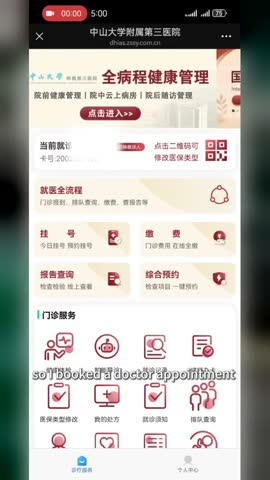 0:08
0:08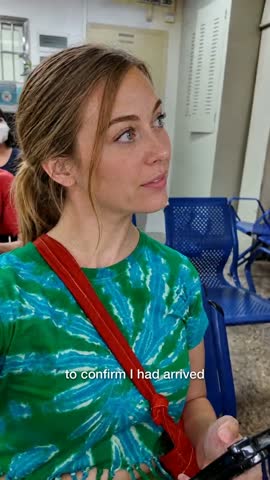 0:26
0:26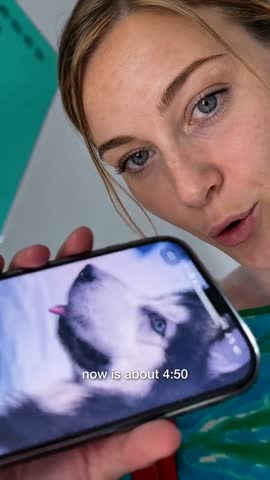 0:44
0:44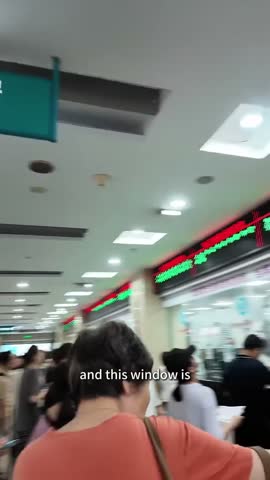 1:02
1:02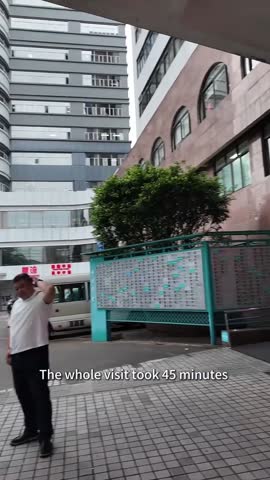 1:19
1:19If you take this route, get the permission in writing and make sure it covers three things: the specific videos, commercial use, and whether the footage may be edited and reused later. Our hospital visit vlog example was made this way.
Platform rules are separate from the law
A video can be lawful and still be removed.
- AI labels. TikTok and Instagram ask creators to label realistic AI-generated video. Use the in-app label on each upload. Repeatedly posting unlabelled AI video puts the account at risk.
- Health and financial claims. Platforms restrict these regardless of how the video was made. The script approval step is where you control this. If the reference promises a cure, your version does not have to.
- Impersonation. Presenting an AI presenter as a specific real person who has not agreed to it is prohibited everywhere.
- Original-content signals. Platforms demote reposts and near-duplicates. A full rebuild with a new script is new content. A lightly altered copy is not.
A quick check before you post
- Is every spoken line in new words?
- Is the person on screen your presenter and not a copy of the original creator?
- Is all footage generated, owned or licensed in writing?
- Is the audio yours to use?
- If the reference was an ad, has the other brand been removed?
- Would you stand behind every claim in the script?
- Is the AI label switched on?
Seven yes answers and you are cloning a format, which is what everyone in a niche does anyway. For the practical steps, see how to create an AI clone video.